From royal collections to metro maps
In Paris, the story of how you move through the city is closely tied to the story of what the city chose to preserve, display, and share with the world.
Table of Contents
From Lutetia to capital city
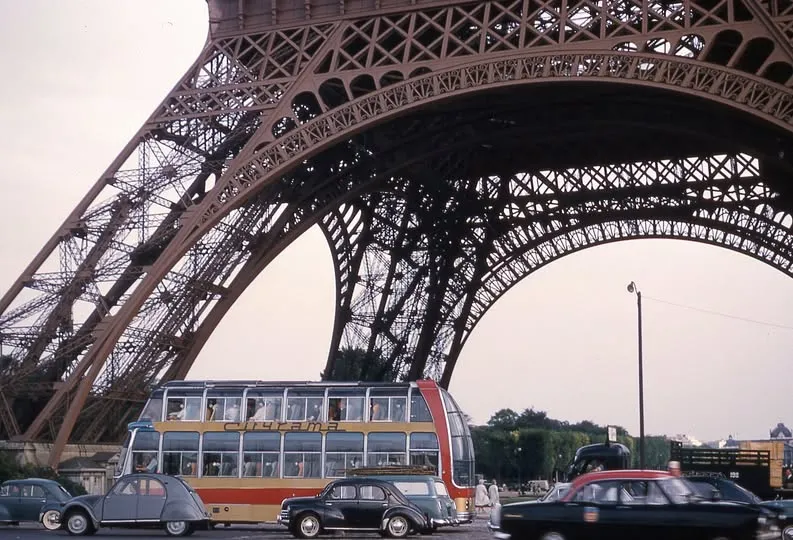
Long before Paris became a dream destination for museum lovers, it was Lutetia, a Roman settlement on and around the Seine. Its position mattered enormously. River access meant trade, communication, and strategic importance, and over centuries that practical geography became political destiny. Medieval rulers, clergy, merchants, and scholars all layered new meaning onto the city, turning it from a river settlement into the beating center of French power. Even now, when visitors move between stations, monuments, and museums, they are following a city shape that was first defined by water, bridges, and the urge to control passage.
Interesting fact: Paris did not become culturally dominant all at once. Its authority grew through accumulation, as royal institutions, universities, churches, and markets reinforced one another over time. That is one reason Paris feels so dense today. The city was not designed as a clean modern showcase built in one period. It is an accumulation of centuries, compressed into walkable districts where Roman traces, Gothic ambition, revolutionary memory, and nineteenth-century planning still coexist. A museum pass or transport card may look like a modern convenience, but it plugs directly into that old logic of movement through concentrated layers of history.
Kings, revolutions and public collections
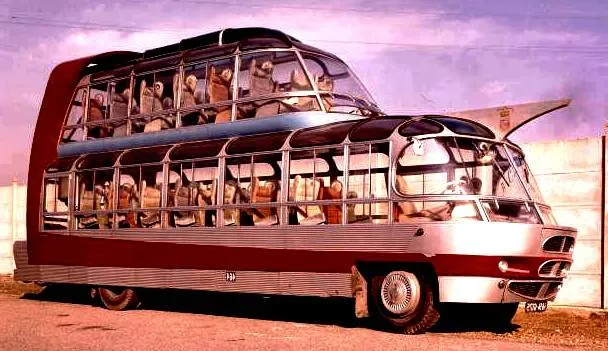
For a long time, the greatest art and objects in Paris were tied to power before they were tied to public education. Royal collections, aristocratic patronage, church treasures, and state symbolism all helped shape what would eventually become the museum culture visitors know today. Then came the French Revolution, which changed not just politics but the meaning of ownership. Art that had once signaled privilege began, at least in principle, to belong to the nation. That shift did not happen neatly or perfectly, but it transformed Paris into a place where collections could be presented as civic inheritance rather than private magnificence.
That idea still echoes through today's pass culture. When travelers buy access to museums and monuments across Paris, they are stepping into a city that has spent more than two centuries refining the idea that culture should be organized, displayed, preserved, and interpreted at a public scale. The Paris Museum Pass is modern, but the worldview behind it is older: that history can be structured into a network, and that a visitor can move through it almost like reading chapters in a very large national story.
The Louvre and the invention of the great museum city
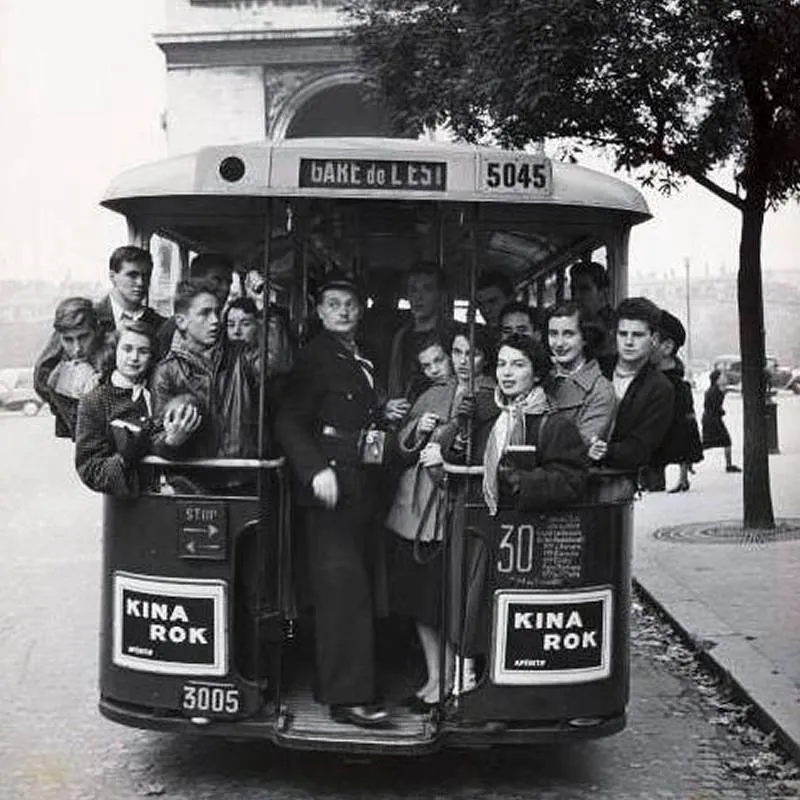
No discussion of Paris museum cards makes sense without the Louvre, because the Louvre is not just one attraction among others. It is one of the institutions that taught the world what a major capital-city museum could be. First a fortress, then a royal palace, then a public museum, it carries the memory of several different Frances at once. Walking through it can feel exhilarating, but also overwhelming, because the building itself announces scale, power, and ambition before you even reach the collections. A museum pass is particularly relevant here not only because of value, but because it helps visitors think strategically about time, entry, and energy.
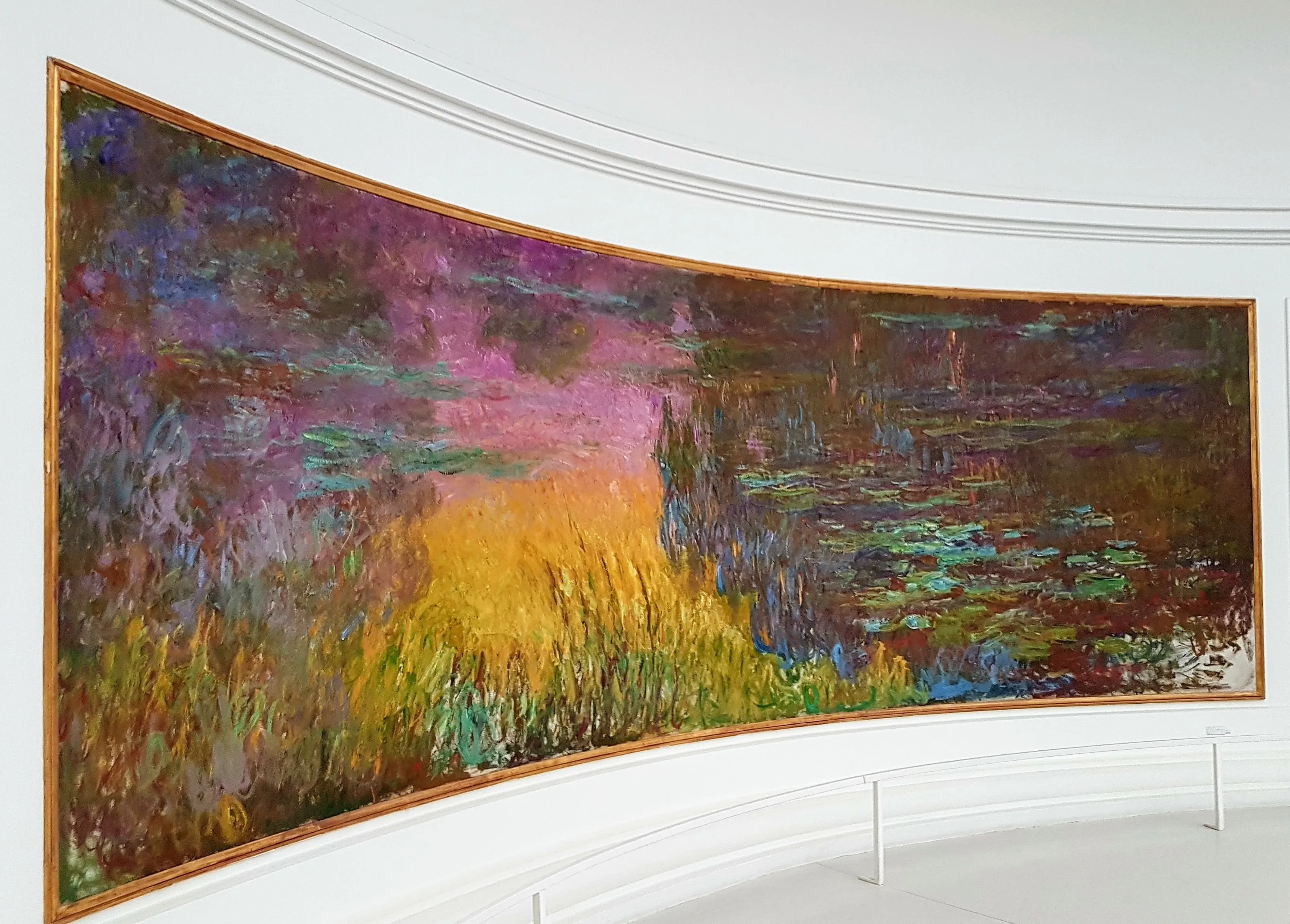
Interesting fact: Paris is unusual in how many major museum experiences sit within reach of each other while still feeling distinct in mood. The Louvre, Musee d'Orsay, the Orangerie, the Rodin Museum, the Conciergerie, and the Pantheon do not just offer different collections; they offer different emotional registers. One day can take you from royal grandeur to Impressionist light, then from prison cells of revolutionary memory to a quiet sculpture garden. That density is exactly why museum passes appeal in Paris. The city invites comparison, and the pass turns that invitation into something more logistically possible.
Bridges, boulevards and Haussmann's Paris
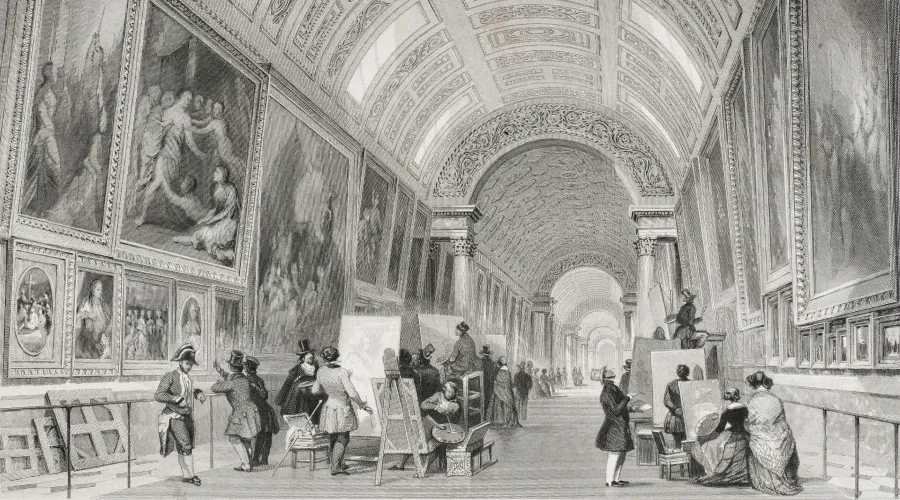
Modern visitors often imagine Paris as timeless, but much of the city's familiar visual order comes from transformation, not permanence. In the nineteenth century, Baron Haussmann's interventions reshaped enormous parts of Paris through new boulevards, improved circulation, sewer modernization, and a highly controlled urban aesthetic. The result was not only visual elegance. It was also a city engineered for movement, surveillance, commerce, and state power. Those long perspectives and broad avenues that tourists now find beautiful were also tools of administration.
This matters because transport in Paris has always been political as well as practical. A city organized for circulation eventually becomes a city where visitors experience meaning through routes. Walking from Opera to the Louvre, riding a bus along the grands boulevards, or crossing from one bank to the other is never just about getting somewhere. It is a way of reading how Paris was imposed, corrected, expanded, and staged. A transport card belongs to this story. It is not glamorous, perhaps, but it is one of the clearest ways to feel how the city actually functions beneath the postcard surface.
The metro and the modern rhythm of Paris
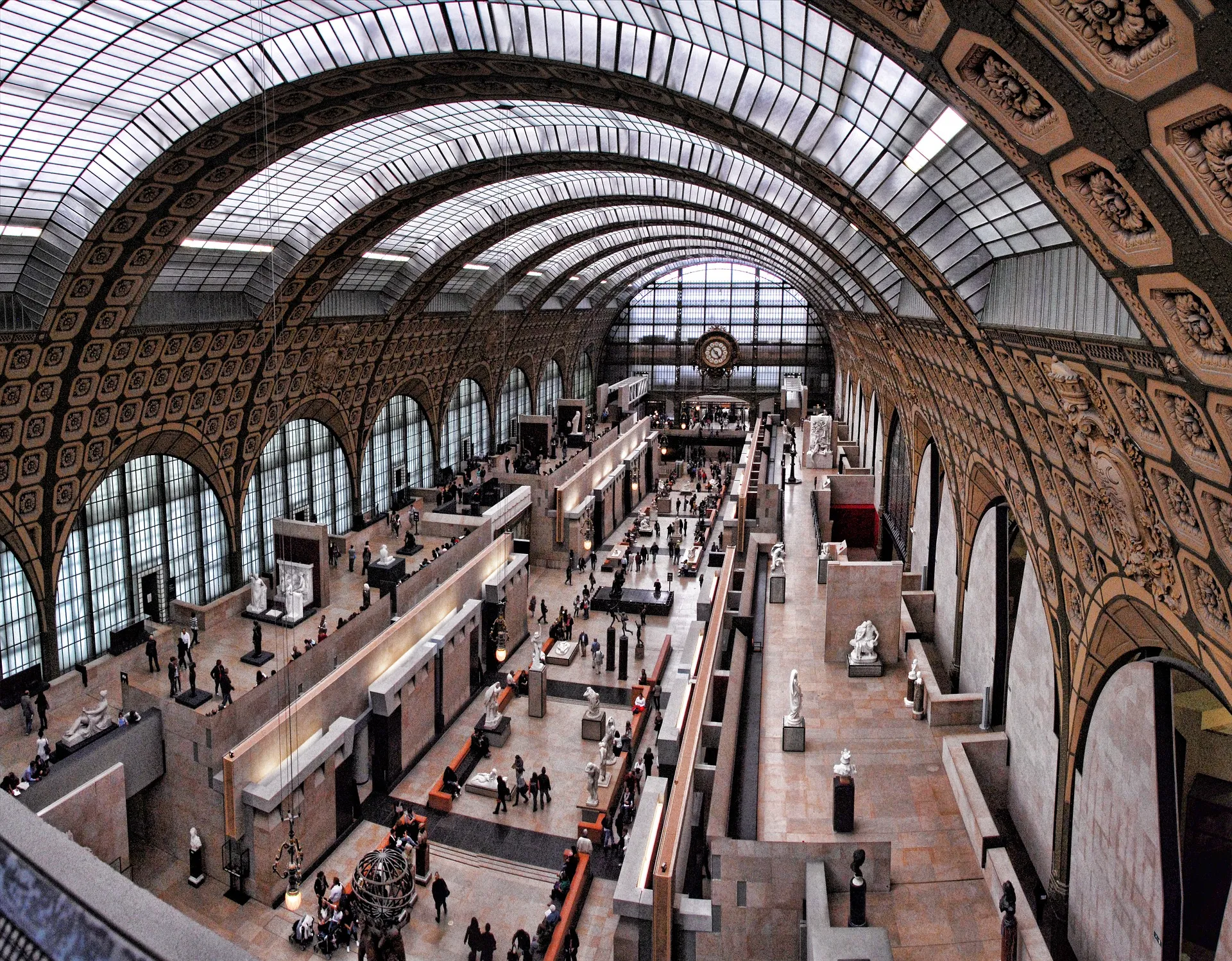
When the Paris Metro opened for the 1900 Exposition Universelle, it did more than solve a mobility problem. It helped define the modern tempo of Paris. Suddenly, distances that once required long carriage rides or determined walks became routine, repeatable, and democratic in a new way. Stations spread across neighborhoods with distinct identities, allowing people to experience Paris as both a unified capital and a patchwork of local worlds. For today's visitors, that same network still performs a kind of magic. It collapses distance without flattening character.
Interesting fact: some of the city's most iconic Art Nouveau metro entrances are as recognizable to many travelers as the museums themselves. That is not accidental. In Paris, infrastructure was often given symbolic value. The journey was never entirely separate from the image of the city. A transport card is therefore more than a utilitarian object. It is your key to the daily Parisian rhythm: descending into tiled corridors, emerging into entirely different atmospheres, and learning very quickly that ten minutes underground can move you between centuries, classes, and moods.
Left Bank learning and Right Bank spectacle
Visitors love to divide Paris into Right Bank and Left Bank, and while the distinction can be romanticized, it still reveals something real. The Left Bank carries associations with universities, debate, publishing, and intellectual life, especially around the Latin Quarter and Saint-Germain-des-Pres. The Right Bank often feels more theatrical, whether in the commercial weight of grands magasins, the grandeur of official institutions, or the energy of neighborhoods such as Le Marais and the areas around Opera. Neither side is simple, but the contrast remains useful when planning a trip.
A museum pass helps when you want to bounce between institutions on both sides of the river; a transport card helps when your feet or schedule begin to argue back. One of the quiet truths of Paris is that too much walking can make even beauty feel heavy. The best itineraries respect the city's emotional texture. Perhaps you spend one morning in the solemn stone calm of the Pantheon, then cross the river for the spectacle of a grand museum facade and an evening boulevard. Paris rewards contrast, and the right pass setup makes those contrasts easier to enjoy.
Monuments beyond the postcard core

First-time visitors often imagine Paris as a tight ring of obvious icons, but the city becomes richer when you move beyond the absolute center. Museum cards and transport cards both gain value when your itinerary includes places that are slightly less predictable: the Musee de Cluny for medieval Paris, the Rodin Museum for sculpture and gardens, the Chateau de Vincennes, the Basilica of Saint-Denis, or a thoughtful detour toward institutions and districts outside the most photographed corridors. These places often provide depth, relief, and context.
Interesting fact: some of the most illuminating Paris visits are not the busiest ones but the ones that reframe the famous sites. Visit Saint-Denis and royal burial history changes how you understand French monarchy. Visit the Conciergerie and the Revolution becomes more tangible. Visit a smaller museum after the Louvre and you suddenly feel scale differently. This is where passes become especially interesting. They do not merely help you consume more sights. They can encourage you to sequence Paris in a smarter, more meaningful way.
Crowds, safety and accessibility
Paris is generally manageable for visitors, but popularity changes its texture. A quiet square can become crowded by noon, a famous museum entrance can become a lesson in patience, and a compact metro carriage can remind you that this is still a lived-in capital, not an open-air film set. Good planning reduces pressure. Reserve key attractions early, avoid assuming every passholder line will be fast, and treat major interchange stations with ordinary city awareness. Keep valuables close and avoid the kind of distracted searching that makes travelers easy targets for petty theft.
Accessibility continues to improve, but Paris is uneven. Some museums offer excellent visitor services, step-free routes, and adapted facilities, while some older stations and historic urban surfaces remain challenging. Cobblestones, stairs, platform gaps, and older architecture can all complicate an ambitious day. A realistic route built around accessible stations and fewer rushed transfers will almost always feel better than an itinerary that looks perfect on paper but ignores the physical reality of the city.
Festival seasons, exhibitions and city rituals

Paris is not only about permanent collections. It is also a city of seasons, exhibition calendars, literary fairs, fashion weeks, street closures, heritage weekends, and long evenings that alter how public space feels. On one trip, you may encounter an extraordinary temporary exhibition that changes the balance of your museum pass entirely. On another, a transport strike or city-wide event may force you to rethink how much value a transport card offers on specific days. The city is famous, but it is never static.
And then there are the everyday rituals that no pass officially includes but every good plan should leave room for: lingering on a bridge at blue hour, stepping into a church because the doors are open, circling a market before lunch, or sitting with coffee after a museum because your head is full and you need time to absorb it. Paris can punish over-scheduling. The most satisfying pass strategy is usually the one that protects some open space for these unpurchased moments.
Museum passes, transport cards and itinerary logic

The central mistake many visitors make is choosing a Paris pass by brand name rather than by behavior. Ask a simpler question: what kind of day do you actually enjoy? If you like intense, efficient cultural days, the Paris Museum Pass may be a strong anchor. If you prefer fluid movement, multiple neighborhoods, and freedom to change your mind, transport matters more than many glossy advertisements admit. Often the best-value Paris setup is not the most heavily marketed one. It is the one that fits your temperament.
Interesting fact: most people overestimate how many major museums they can absorb in a single day. Paris is not just physically large; it is aesthetically dense. After one major museum, attention drops, feet ache, and queues feel longer. A strong itinerary often means one flagship visit, one medium-weight cultural stop, then flexible time for streets, food, and atmosphere. Passes work best when they support that reality instead of encouraging frantic collecting behavior.
Preservation, tourism pressure and the living city

Paris lives with a constant tension between heritage and ordinary life. Visitors arrive looking for beauty, continuity, and symbols, while residents still need functioning transport, housing, services, and breathing room. Museums and monuments help sustain the city's global identity, but they also sit inside neighborhoods that are not museum pieces. The challenge is not whether tourism belongs here. It clearly does. The challenge is how to experience Paris without reducing it to a polished route of compulsory icons.
Responsible pass use sounds almost comically modest, but it matters. Choosing official providers, honoring reservation rules, visiting secondary sites, traveling at less pressured times, and respecting neighborhood rhythms all help distribute the burden of tourism. In that sense, pass planning is not merely a budget exercise. It can also be a way of moving through Paris with a little more intelligence and a little less entitlement.
Outer zones, Versailles and greater Paris
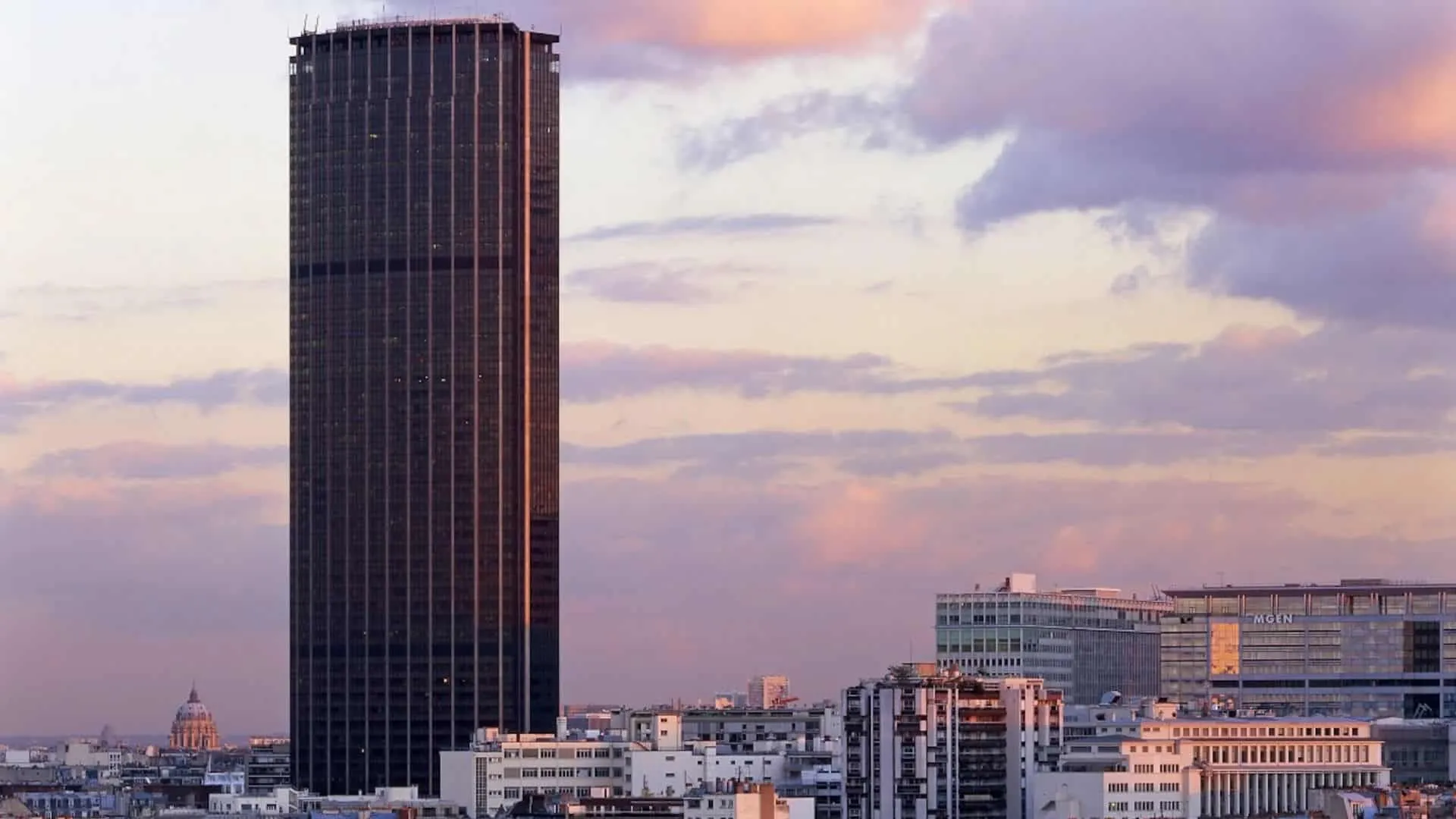
Sooner or later, many travelers realize that the edges of Paris matter almost as much as the center. Airports, Versailles, La Defense, Saint-Denis, Vincennes, and other greater-Paris destinations complicate the simple fantasy of one neat city card. Zone coverage suddenly matters. RER choices matter. The difference between a central-only setup and a wider transport card becomes practical very quickly, especially if your arrival and departure are tied to airport transfers or your itinerary includes a major outer-zone excursion.
Versailles is the classic example. People treat it as a separate day trip, but in logistical terms it is often the moment when transport strategy either proves itself or falls apart. A good card decision makes the excursion feel integrated with your Paris stay. A poor one produces confusion at ticket machines, uncertainty on platforms, and a sour mood before the palace has even appeared. Greater Paris reminds visitors of something important: this city is not only an image. It is a regional system.
Why pass planning reveals the real Paris

On the surface, museum passes and transport cards are administrative tools. They are pieces of plastic, digital codes, or booking confirmations. But in Paris they become something more revealing. They expose what kind of traveler you are and what kind of city Paris really is. If you choose only monuments, Paris becomes a chain of masterpieces. If you choose only transport freedom, Paris becomes a constellation of neighborhoods. If you balance both, the city starts to feel whole: beautiful, practical, contradictory, and alive.
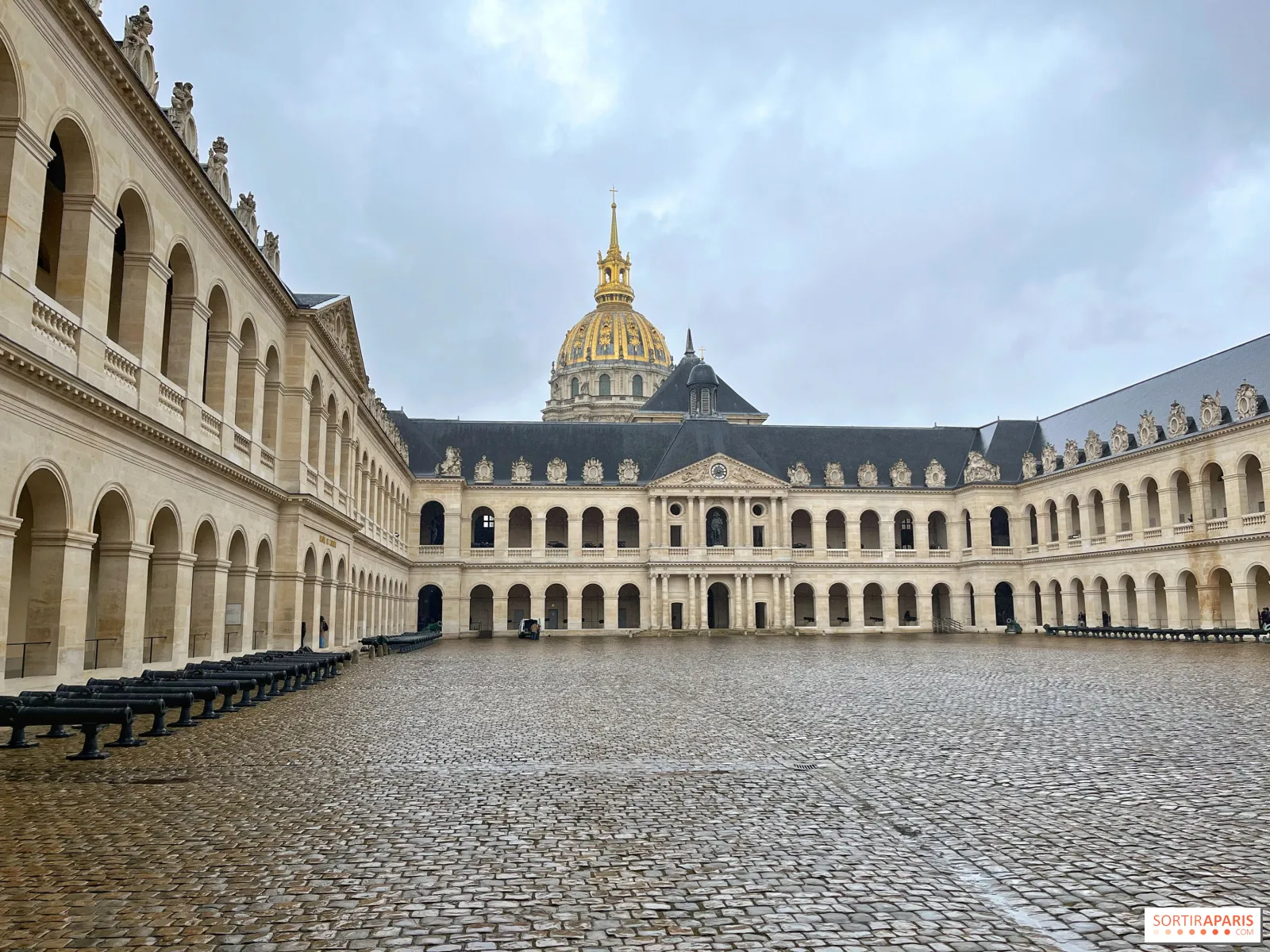
By the end of a well-planned trip, the most valuable part of your pass may not be the euros saved. It may be the coherence it gave your days. You remember not only the Louvre or a metro ride or a famous dome, but how the city flowed between them: the sudden rain, the warm station platform, the relief of a direct line, the quiet museum room after a noisy street, the evening bridge after a long afternoon indoors. That is the real Paris many visitors are looking for, and thoughtful pass planning is one of the simplest ways to reach it.
Table of Contents
From Lutetia to capital city
Long before Paris became a dream destination for museum lovers, it was Lutetia, a Roman settlement on and around the Seine. Its position mattered enormously. River access meant trade, communication, and strategic importance, and over centuries that practical geography became political destiny. Medieval rulers, clergy, merchants, and scholars all layered new meaning onto the city, turning it from a river settlement into the beating center of French power. Even now, when visitors move between stations, monuments, and museums, they are following a city shape that was first defined by water, bridges, and the urge to control passage.
Interesting fact: Paris did not become culturally dominant all at once. Its authority grew through accumulation, as royal institutions, universities, churches, and markets reinforced one another over time. That is one reason Paris feels so dense today. The city was not designed as a clean modern showcase built in one period. It is an accumulation of centuries, compressed into walkable districts where Roman traces, Gothic ambition, revolutionary memory, and nineteenth-century planning still coexist. A museum pass or transport card may look like a modern convenience, but it plugs directly into that old logic of movement through concentrated layers of history.
Kings, revolutions and public collections
For a long time, the greatest art and objects in Paris were tied to power before they were tied to public education. Royal collections, aristocratic patronage, church treasures, and state symbolism all helped shape what would eventually become the museum culture visitors know today. Then came the French Revolution, which changed not just politics but the meaning of ownership. Art that had once signaled privilege began, at least in principle, to belong to the nation. That shift did not happen neatly or perfectly, but it transformed Paris into a place where collections could be presented as civic inheritance rather than private magnificence.
That idea still echoes through today's pass culture. When travelers buy access to museums and monuments across Paris, they are stepping into a city that has spent more than two centuries refining the idea that culture should be organized, displayed, preserved, and interpreted at a public scale. The Paris Museum Pass is modern, but the worldview behind it is older: that history can be structured into a network, and that a visitor can move through it almost like reading chapters in a very large national story.
The Louvre and the invention of the great museum city
No discussion of Paris museum cards makes sense without the Louvre, because the Louvre is not just one attraction among others. It is one of the institutions that taught the world what a major capital-city museum could be. First a fortress, then a royal palace, then a public museum, it carries the memory of several different Frances at once. Walking through it can feel exhilarating, but also overwhelming, because the building itself announces scale, power, and ambition before you even reach the collections. A museum pass is particularly relevant here not only because of value, but because it helps visitors think strategically about time, entry, and energy.
Interesting fact: Paris is unusual in how many major museum experiences sit within reach of each other while still feeling distinct in mood. The Louvre, Musee d'Orsay, the Orangerie, the Rodin Museum, the Conciergerie, and the Pantheon do not just offer different collections; they offer different emotional registers. One day can take you from royal grandeur to Impressionist light, then from prison cells of revolutionary memory to a quiet sculpture garden. That density is exactly why museum passes appeal in Paris. The city invites comparison, and the pass turns that invitation into something more logistically possible.
Bridges, boulevards and Haussmann's Paris
Modern visitors often imagine Paris as timeless, but much of the city's familiar visual order comes from transformation, not permanence. In the nineteenth century, Baron Haussmann's interventions reshaped enormous parts of Paris through new boulevards, improved circulation, sewer modernization, and a highly controlled urban aesthetic. The result was not only visual elegance. It was also a city engineered for movement, surveillance, commerce, and state power. Those long perspectives and broad avenues that tourists now find beautiful were also tools of administration.
This matters because transport in Paris has always been political as well as practical. A city organized for circulation eventually becomes a city where visitors experience meaning through routes. Walking from Opera to the Louvre, riding a bus along the grands boulevards, or crossing from one bank to the other is never just about getting somewhere. It is a way of reading how Paris was imposed, corrected, expanded, and staged. A transport card belongs to this story. It is not glamorous, perhaps, but it is one of the clearest ways to feel how the city actually functions beneath the postcard surface.
The metro and the modern rhythm of Paris
When the Paris Metro opened for the 1900 Exposition Universelle, it did more than solve a mobility problem. It helped define the modern tempo of Paris. Suddenly, distances that once required long carriage rides or determined walks became routine, repeatable, and democratic in a new way. Stations spread across neighborhoods with distinct identities, allowing people to experience Paris as both a unified capital and a patchwork of local worlds. For today's visitors, that same network still performs a kind of magic. It collapses distance without flattening character.
Interesting fact: some of the city's most iconic Art Nouveau metro entrances are as recognizable to many travelers as the museums themselves. That is not accidental. In Paris, infrastructure was often given symbolic value. The journey was never entirely separate from the image of the city. A transport card is therefore more than a utilitarian object. It is your key to the daily Parisian rhythm: descending into tiled corridors, emerging into entirely different atmospheres, and learning very quickly that ten minutes underground can move you between centuries, classes, and moods.
Left Bank learning and Right Bank spectacle
Visitors love to divide Paris into Right Bank and Left Bank, and while the distinction can be romanticized, it still reveals something real. The Left Bank carries associations with universities, debate, publishing, and intellectual life, especially around the Latin Quarter and Saint-Germain-des-Pres. The Right Bank often feels more theatrical, whether in the commercial weight of grands magasins, the grandeur of official institutions, or the energy of neighborhoods such as Le Marais and the areas around Opera. Neither side is simple, but the contrast remains useful when planning a trip.
A museum pass helps when you want to bounce between institutions on both sides of the river; a transport card helps when your feet or schedule begin to argue back. One of the quiet truths of Paris is that too much walking can make even beauty feel heavy. The best itineraries respect the city's emotional texture. Perhaps you spend one morning in the solemn stone calm of the Pantheon, then cross the river for the spectacle of a grand museum facade and an evening boulevard. Paris rewards contrast, and the right pass setup makes those contrasts easier to enjoy.
Monuments beyond the postcard core
First-time visitors often imagine Paris as a tight ring of obvious icons, but the city becomes richer when you move beyond the absolute center. Museum cards and transport cards both gain value when your itinerary includes places that are slightly less predictable: the Musee de Cluny for medieval Paris, the Rodin Museum for sculpture and gardens, the Chateau de Vincennes, the Basilica of Saint-Denis, or a thoughtful detour toward institutions and districts outside the most photographed corridors. These places often provide depth, relief, and context.
Interesting fact: some of the most illuminating Paris visits are not the busiest ones but the ones that reframe the famous sites. Visit Saint-Denis and royal burial history changes how you understand French monarchy. Visit the Conciergerie and the Revolution becomes more tangible. Visit a smaller museum after the Louvre and you suddenly feel scale differently. This is where passes become especially interesting. They do not merely help you consume more sights. They can encourage you to sequence Paris in a smarter, more meaningful way.
Crowds, safety and accessibility
Paris is generally manageable for visitors, but popularity changes its texture. A quiet square can become crowded by noon, a famous museum entrance can become a lesson in patience, and a compact metro carriage can remind you that this is still a lived-in capital, not an open-air film set. Good planning reduces pressure. Reserve key attractions early, avoid assuming every passholder line will be fast, and treat major interchange stations with ordinary city awareness. Keep valuables close and avoid the kind of distracted searching that makes travelers easy targets for petty theft.
Accessibility continues to improve, but Paris is uneven. Some museums offer excellent visitor services, step-free routes, and adapted facilities, while some older stations and historic urban surfaces remain challenging. Cobblestones, stairs, platform gaps, and older architecture can all complicate an ambitious day. A realistic route built around accessible stations and fewer rushed transfers will almost always feel better than an itinerary that looks perfect on paper but ignores the physical reality of the city.
Festival seasons, exhibitions and city rituals
Paris is not only about permanent collections. It is also a city of seasons, exhibition calendars, literary fairs, fashion weeks, street closures, heritage weekends, and long evenings that alter how public space feels. On one trip, you may encounter an extraordinary temporary exhibition that changes the balance of your museum pass entirely. On another, a transport strike or city-wide event may force you to rethink how much value a transport card offers on specific days. The city is famous, but it is never static.
And then there are the everyday rituals that no pass officially includes but every good plan should leave room for: lingering on a bridge at blue hour, stepping into a church because the doors are open, circling a market before lunch, or sitting with coffee after a museum because your head is full and you need time to absorb it. Paris can punish over-scheduling. The most satisfying pass strategy is usually the one that protects some open space for these unpurchased moments.
Museum passes, transport cards and itinerary logic
The central mistake many visitors make is choosing a Paris pass by brand name rather than by behavior. Ask a simpler question: what kind of day do you actually enjoy? If you like intense, efficient cultural days, the Paris Museum Pass may be a strong anchor. If you prefer fluid movement, multiple neighborhoods, and freedom to change your mind, transport matters more than many glossy advertisements admit. Often the best-value Paris setup is not the most heavily marketed one. It is the one that fits your temperament.
Interesting fact: most people overestimate how many major museums they can absorb in a single day. Paris is not just physically large; it is aesthetically dense. After one major museum, attention drops, feet ache, and queues feel longer. A strong itinerary often means one flagship visit, one medium-weight cultural stop, then flexible time for streets, food, and atmosphere. Passes work best when they support that reality instead of encouraging frantic collecting behavior.
Preservation, tourism pressure and the living city
Paris lives with a constant tension between heritage and ordinary life. Visitors arrive looking for beauty, continuity, and symbols, while residents still need functioning transport, housing, services, and breathing room. Museums and monuments help sustain the city's global identity, but they also sit inside neighborhoods that are not museum pieces. The challenge is not whether tourism belongs here. It clearly does. The challenge is how to experience Paris without reducing it to a polished route of compulsory icons.
Responsible pass use sounds almost comically modest, but it matters. Choosing official providers, honoring reservation rules, visiting secondary sites, traveling at less pressured times, and respecting neighborhood rhythms all help distribute the burden of tourism. In that sense, pass planning is not merely a budget exercise. It can also be a way of moving through Paris with a little more intelligence and a little less entitlement.
Outer zones, Versailles and greater Paris
Sooner or later, many travelers realize that the edges of Paris matter almost as much as the center. Airports, Versailles, La Defense, Saint-Denis, Vincennes, and other greater-Paris destinations complicate the simple fantasy of one neat city card. Zone coverage suddenly matters. RER choices matter. The difference between a central-only setup and a wider transport card becomes practical very quickly, especially if your arrival and departure are tied to airport transfers or your itinerary includes a major outer-zone excursion.
Versailles is the classic example. People treat it as a separate day trip, but in logistical terms it is often the moment when transport strategy either proves itself or falls apart. A good card decision makes the excursion feel integrated with your Paris stay. A poor one produces confusion at ticket machines, uncertainty on platforms, and a sour mood before the palace has even appeared. Greater Paris reminds visitors of something important: this city is not only an image. It is a regional system.
Why pass planning reveals the real Paris
On the surface, museum passes and transport cards are administrative tools. They are pieces of plastic, digital codes, or booking confirmations. But in Paris they become something more revealing. They expose what kind of traveler you are and what kind of city Paris really is. If you choose only monuments, Paris becomes a chain of masterpieces. If you choose only transport freedom, Paris becomes a constellation of neighborhoods. If you balance both, the city starts to feel whole: beautiful, practical, contradictory, and alive.
By the end of a well-planned trip, the most valuable part of your pass may not be the euros saved. It may be the coherence it gave your days. You remember not only the Louvre or a metro ride or a famous dome, but how the city flowed between them: the sudden rain, the warm station platform, the relief of a direct line, the quiet museum room after a noisy street, the evening bridge after a long afternoon indoors. That is the real Paris many visitors are looking for, and thoughtful pass planning is one of the simplest ways to reach it.